


Let's Talk Tea (Part Four)
Updated: Jun 25
Good day, tea friends! Let's dive into the rich history of Green Tea and some brewing tips.
Green tea holds a special place in tea culture worldwide, especially Chinese green tea. It has shaped centuries of tradition and enjoyment. Its delicate flavors and health benefits have made it a favorite for many. Yet, the true experience of green tea comes alive when brewed with care and precision. Gongfu brewing is a method that brings out the best in Chinese green tea, highlighting its subtle aromas and complex taste.

The Origins and History of Green Tea
Green tea’s story begins in ancient China, dating back over 4,000 years. Legend credits Emperor Shennong with discovering tea when leaves accidentally fell into his boiling water. From this simple beginning, green tea evolved into a cultural staple.
During the Tang Dynasty (618–907 AD), green tea became widely popular. It was often used in ceremonies and as a medicinal drink. The Song Dynasty (960–1279 AD) saw the rise of tea culture. Detailed records on tea preparation and appreciation emerged. Chinese green tea varieties like Longjing (Dragon Well) and Biluochun gained fame for their unique flavors and aromas.
The Ming Dynasty (1368–1644 AD) introduced loose-leaf tea brewing. This shift allowed the natural qualities of green tea leaves to shine, setting the stage for modern brewing techniques.
Green tea’s influence spread beyond China, reaching Japan, Korea, and eventually the West. Today, Chinese green tea remains a symbol of tradition and health. It is celebrated for its fresh, grassy notes and delicate sweetness.
Understanding Chinese Green Tea Varieties
Chinese green tea is not a single type but a category that includes many varieties, each with distinct characteristics. Some popular examples include:
Longjing (Dragon Well): Known for its flat, smooth leaves and nutty, sweet flavor.
Biluochun: Recognized for its tightly curled leaves and floral aroma.
Huangshan Maofeng: Features tender leaves with a light, refreshing taste.
Liu An Gua Pian: Has a unique melon-like flavor and large, flat leaves.
Each variety requires slightly different brewing parameters to bring out its best qualities. Understanding these differences helps in mastering gongfu brewing.

Gongfu Brewing Techniques for Chinese Green Tea
Gongfu brewing is a precise and mindful way to prepare tea. It emphasizes control over water temperature, steeping time, and tea-to-water ratio. The goal is to extract the full flavor without bitterness or dullness.
Equipment Needed
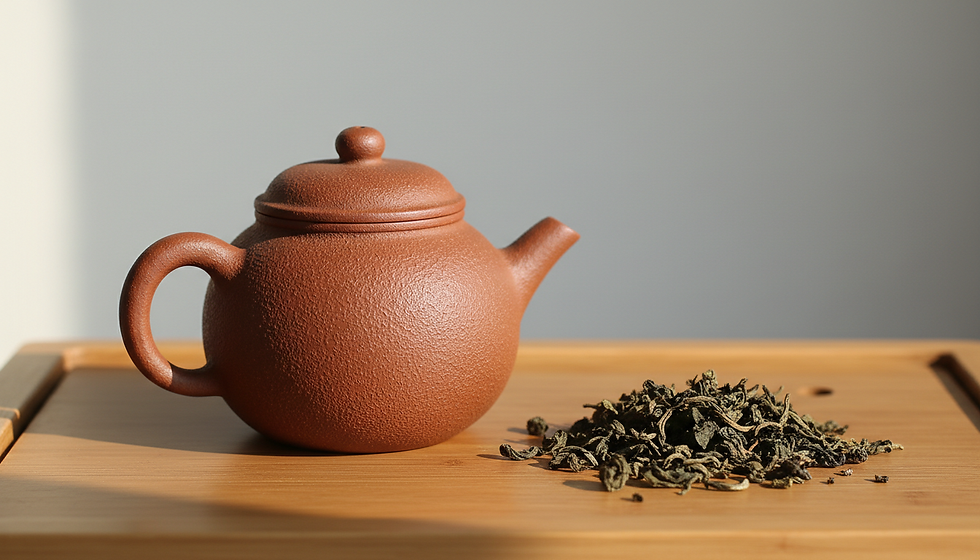
Small Yixing clay teapot or a gaiwan (lidded bowl)
Tea pitcher (fair cup)
Small tasting cups
Tea tray to catch spills
Kettle with temperature control
Step-by-Step Gongfu Brewing Process
Warm the Teaware: Pour hot water into the teapot and cups to warm them. Discard the water.
Measure Tea Leaves: Use about 5 grams of Chinese green tea for a 100 ml teapot or gaiwan.
Rinse the Leaves: Add hot water (around 75–80°C or 167–176°F) to the leaves and quickly pour it out. This awakens the leaves and removes dust.
First Steep: Pour hot water at the same temperature over the leaves and steep for 10–20 seconds. Pour the tea into the pitcher, then into cups.
Subsequent Steeps: Increase steeping time by 5–10 seconds for each infusion. Good Chinese green tea can be steeped 3–5 times.
Enjoy Mindfully: Sip slowly to appreciate the evolving flavors and aroma.
Tips for Best Results
Use fresh, filtered water for the purest taste.
Avoid boiling water; green tea is delicate and burns easily.
Adjust steeping time and temperature based on the tea variety.
Observe the color and aroma during brewing to guide your process.
The Benefits of Gongfu Brewing
Gongfu brewing is more than a method; it’s a ritual that connects you with the tea and its history. It allows you to:
Experience the full range of flavors from a single tea.
Control bitterness and astringency by adjusting brewing parameters.
Appreciate the craftsmanship behind Chinese green tea.
Create a calming, focused moment in your day.
Conclusion
In conclusion, the journey of green tea is rich and varied. From its ancient origins to modern brewing techniques, it offers a unique experience for tea lovers. By mastering gongfu brewing, you can unlock the full potential of each tea variety. This method not only enhances the flavor but also deepens your connection to the tea's history and culture.
Next time, we'll discuss White tea. How it is the same, and how it is different.
So, tea friends, get out there and experience the world. And take some tea with you!


Comments