


Let's Talk Tea (Part Nine)
Pu'er tea has a unique place in the world of tea lovers. Its rich history, distinctive aging process, and complex flavors make it a fascinating subject. Whether you are new to Pu'er or looking to deepen your appreciation, understanding the differences between Sheng and Shou Pu'er and how to brew them properly can transform your tea experience.

The History of Pu'er Tea
Pu'er tea originates from Yunnan Province in China, a region known for its ancient tea trees and ideal climate for tea cultivation. The tea is named after Pu'er City, a historic trading hub where tea was processed and sold. Pu'er tea has been enjoyed for centuries, prized for its ability to improve with age, much like fine wine.
Traditional Pu'er was pressed into cakes or bricks for easier transport along the ancient Tea Horse Road. This method helped preserve the tea and allowed it to ferment slowly over time. Today, Pu'er remains one of the few teas that undergoes a post-fermentation process, giving it a distinctive character.
Differences Between Sheng and Shou Pu'er
Pu'er tea comes in two main types: Sheng (raw) and Shou (ripe). Both start from the same tea leaves but undergo different processing methods that affect flavor, aroma, and aging potential.
Sheng Pu'er
Processing: Sheng Pu'er is naturally fermented over time. Freshly pressed Sheng tea is greenish and can taste sharp or astringent at first. Over years or decades, it mellows and develops complex earthy, floral, and fruity notes.
Flavor profile: Young Sheng can be bright, brisk, and slightly bitter. Aged Sheng offers smooth, rich, and mellow flavors with hints of dried fruit, honey, and wood.
Aging: Sheng Pu'er improves with age, sometimes for decades, making it a favorite for collectors.
Shou Pu'er
Processing: Shou Pu'er undergoes an accelerated fermentation process called "wo dui," which involves piling, moistening, and turning the leaves to mimic natural aging. This process takes a few months instead of years.
Flavor profile: Shou Pu'er has a dark, rich, and earthy taste with notes of chocolate, leather, and sometimes a slight sweetness. It is smoother and less astringent than young Sheng.
Aging: While Shou can age, it is generally consumed younger and does not develop the same complexity as Sheng over time.
Brewing Pu'er Tea with a Gaiwan or Pot
Brewing Pu'er tea properly brings out its best qualities. Both Sheng and Shou benefit from careful attention to water temperature, steeping time, and vessel choice. Using a gaiwan or a small teapot allows you to control these variables and enjoy multiple infusions.
Brewing Sheng Pu'er
Water temperature: Use water around 85-95°C (185-203°F). Boiling water can scorch the delicate young leaves.
Tea amount: Use about 5 grams of tea for a 150 ml gaiwan or pot.
Rinse leaves: Quickly rinse the leaves with hot water to awaken the tea and remove dust.
Steeping times: Start with short infusions of 10-15 seconds, gradually increasing to 30 seconds or more with later infusions.
Number of infusions: Sheng Pu'er can be steeped 8-12 times, with flavors evolving in each cup.
Brewing Shou Pu'er
Water temperature: Use near-boiling water around 95-100°C (203-212°F) to extract the rich flavors.
Tea amount: Use 5-7 grams for a 150 ml gaiwan or pot.
Rinse leaves: Rinse quickly with hot water to remove any impurities.
Steeping times: Begin with 20-30 seconds, increasing steeping time by 10 seconds for subsequent infusions.
Number of infusions: Shou Pu'er typically yields 6-8 infusions before the flavor fades.

Tips for the Best Pu'er Experience
Use good quality water: Soft, filtered water enhances the tea’s natural flavors.
Preheat your vessel: Warm your gaiwan or pot before brewing to maintain temperature.
Adjust steeping times: Taste your tea after each infusion and adjust steeping times to suit your preference.
Store Pu'er properly: Keep Pu'er in a cool, dry place away from strong odors to preserve its quality.
Experiment with leaf quantity: More leaves produce stronger tea, but too much can overwhelm delicate flavors.
Why Choose a Gaiwan or Pot?
A gaiwan offers control and tradition. Its wide mouth allows leaves to unfurl fully, releasing complex aromas. It’s ideal for multiple short infusions and appreciating the changing flavors of Pu'er.
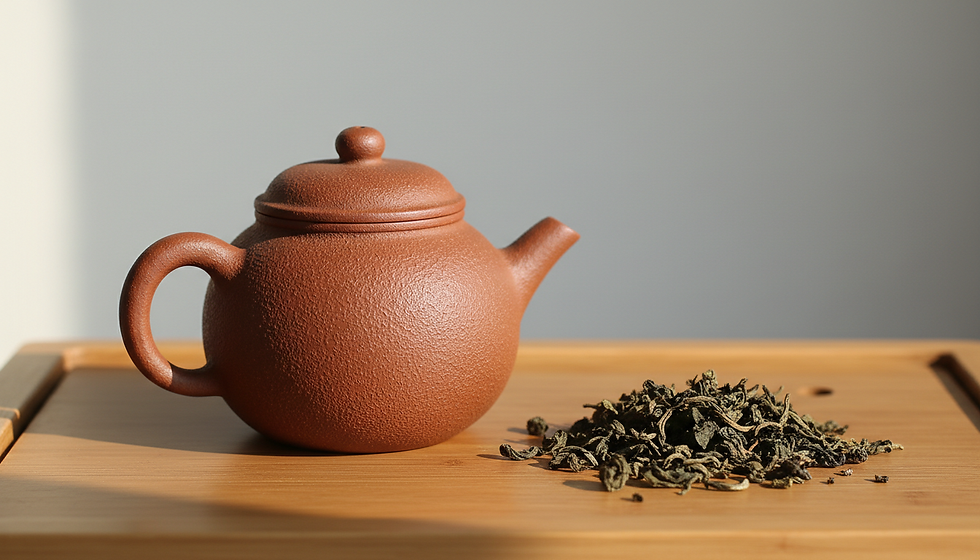
A small clay or porcelain pot retains heat well and is perfect for those who prefer a more hands-off approach. Both methods highlight different aspects of Pu'er tea and can be chosen based on your brewing style.

Pu'er tea offers a journey through time and taste. Whether you prefer the youthful brightness of Sheng or the mellow richness of Shou, mastering the brewing process unlocks a rewarding experience. Try brewing with a gaiwan or pot, experiment with steeping times, and savor the evolving flavors with each cup. Your next tea session could reveal new layers in this ancient tea’s story.
Remember, tea friends, get out and explore. And take some tea with you!


Comments