


Let's Talk Tea (Part Three)
I know I said on the last post that we would talk about Green tea, but before I do that, I'd like to take some time to talk about the six types of Chinese tea, their similarities and their differences.
Chinese tea has a rich history that spans thousands of years, with a variety of tea types that each offer unique flavors, aromas, and brewing methods. Understanding the six main types of Chinese tea helps tea lovers appreciate the diversity and craftsmanship behind every cup.

The Six Types of Chinese Tea
Chinese tea is traditionally classified into six main categories based on how the leaves are processed. These are:
Green Tea
Black Tea (Red Tea in China)
Oolong Tea
White Tea
Yellow Tea
Dark Tea (Pu'er Tea)
Each type undergoes a distinct process that affects its flavor, color, and aroma.
Green Tea
Green tea is the most popular tea type in China and worldwide. It is made from unoxidized leaves, which means the leaves are quickly heated after picking to prevent oxidation. This preserves the fresh, grassy flavors and the natural green color.
Flavor: Fresh, vegetal, sometimes slightly sweet or nutty
Processing: Steamed or pan-fired immediately after harvest
Popular examples: Longjing (Dragon Well), Biluochun
Black Tea (Red Tea)
What the West calls black tea is known as red tea in China because of its reddish-brown liquor. Black tea is fully oxidized, which gives it a darker color and richer flavor.
Flavor: Bold, malty, sometimes fruity or smoky
Processing: Leaves are fully oxidized before drying
Popular examples: Keemun, Dianhong
Oolong Tea
Oolong tea is partially oxidized, falling between green and black tea. This partial oxidation creates a complex flavor profile that can range from floral and light to rich and roasted.
Flavor: Floral, fruity, creamy, or toasty depending on oxidation level
Processing: Leaves are withered, bruised, partially oxidized, then fired
Popular examples: Tie Guan Yin, Da Hong Pao
White Tea
White tea is the least processed of all tea types. It is made from young leaves and buds that are simply withered and dried, with minimal oxidation.
Flavor: Delicate, sweet, and light with subtle floral notes
Processing: Withering and drying without rolling or firing
Popular examples: Baihao Yinzhen (Silver Needle), Bai Mudan (White Peony)
Yellow Tea
Yellow tea is similar to green tea but undergoes a slow steaming process called “sealing yellow,” which allows slight oxidation and gives the tea a mellow, less grassy flavor.
Flavor: Smooth, sweet, and slightly fruity
Processing: Slow steaming and gentle oxidation
Popular examples: Junshan Yinzhen, Huoshan Huangya
Dark Tea (Pu'er Tea)
Dark tea, especially Pu'er, is fermented and aged, sometimes for many years. This aging process develops earthy, rich flavors and can improve with time like fine wine.
Flavor: Earthy, woody, sometimes sweet or musty
Processing: Post-fermentation and aging
Popular examples: Raw (Sheng) Pu'er, Ripe (Shou) Pu'er
Similarities Among the Tea Types
Despite their differences, the six tea types share several key characteristics:
Origin: All come from the same plant species, Camellia sinensis.
Cultural Importance: Each tea type plays a role in Chinese tea culture and traditional tea ceremonies, including gongfu tea preparation.
Health Benefits: All contain antioxidants and beneficial compounds, though the levels vary by processing.
Preparation: Most are brewed with hot water, often using small teapots or gaiwans in gongfu style to extract nuanced flavors.
Leaf Quality: High-quality leaves are prized across all types, with careful harvesting and processing influencing the final taste.
Differences That Define Each Tea Type
The main differences come from how the leaves are processed and the resulting flavor profiles:

Gongfu Tea and Its Role in Chinese Tea Types
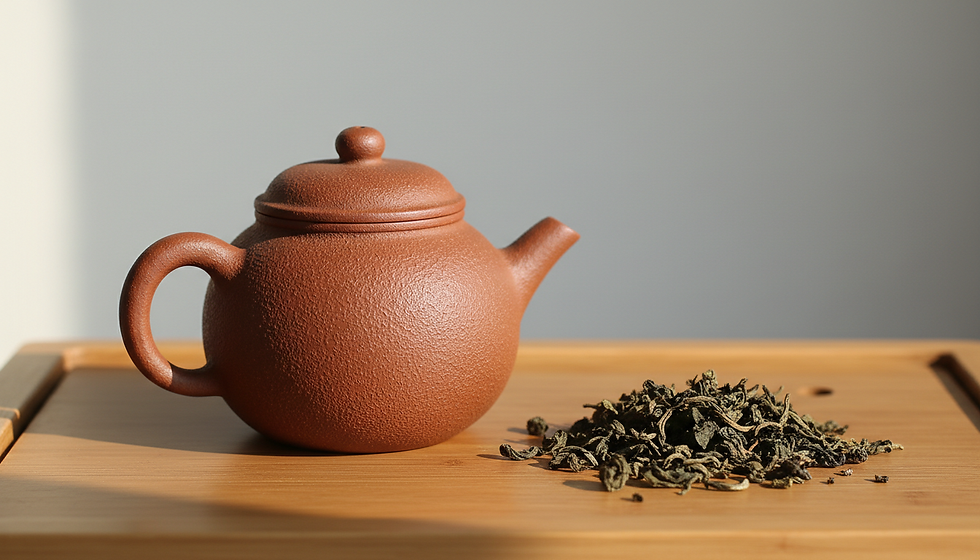
Gongfu tea is a traditional Chinese brewing method that emphasizes precision and skill. It is especially popular for oolong, pu'er, and other premium tea types. Gongfu tea involves:
Using small teapots or gaiwans
Multiple short infusions to extract layers of flavor
Careful control of water temperature and steeping time
This method allows tea drinkers to experience the full complexity of each tea type, highlighting subtle differences in aroma and taste.

Practical Tips for Exploring Chinese Tea Types
Start with green or black tea if you are new to Chinese teas. They offer familiar flavors and are widely available.
Try oolong teas to explore a range of tastes from floral to roasted.
Sample white and yellow teas for delicate, subtle flavors that are less common.
Experience pu'er tea if you enjoy earthy, aged teas and want to explore fermentation.
Use gongfu brewing to get the most out of premium teas, especially oolong and pu-erh.
Pay attention to water temperature: green and white teas prefer cooler water (around 75-85°C), while black, oolong, and dark teas do better with near-boiling water.
Final Thoughts on Chinese Tea Types
Chinese tea offers a world of flavors shaped by centuries of tradition and careful processing. The six tea types share a common origin but differ in oxidation, flavor, and preparation. Exploring these teas through gongfu brewing reveals their unique qualities and deepens appreciation for Chinese tea culture.
Next time, we will talk about Green tea, so stay tuned.
It's a big world, get out and see it. And take some tea with you!


Comments